
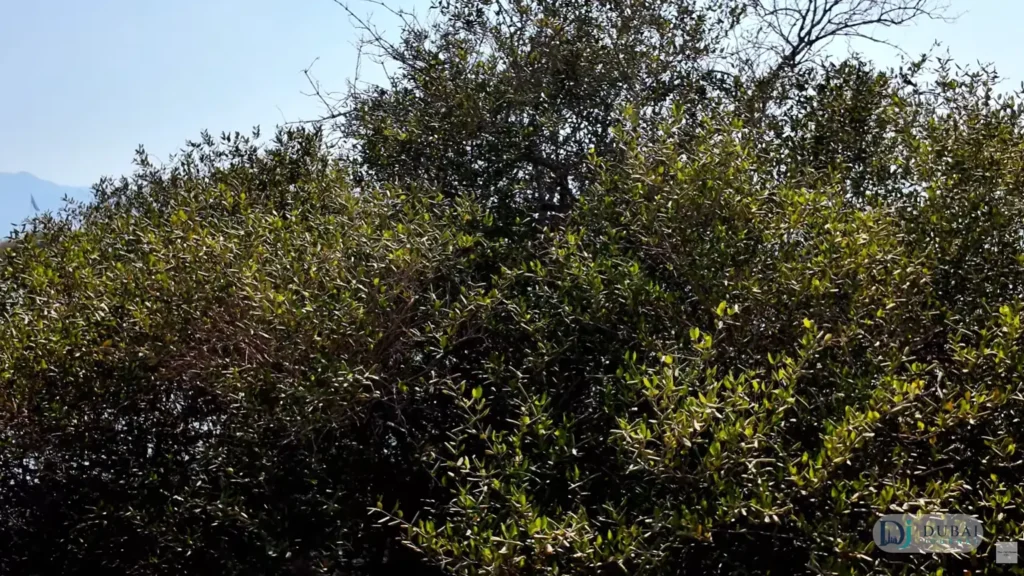
The only way to walk into the Kalba mangroves is through the Khor Kalba Mangrove Centre, which charges AED 15 plus VAT and closes every Monday. Behind it grows the oldest mangrove forest in the UAE, with trees up to 8 metres tall and some more than 300 years old.
The forest was closed to the public for around ten years so it could recover from damage. The centre reopened access in 2021, and it now runs the trail, the exhibits and a turtle rehabilitation programme from a single site on Sharjah’s east coast.
Opening hours & last entry
The centre is open Tuesday to Sunday, and the start time changes on Friday and at the weekend.
| Day | Hours |
|---|---|
| Monday | Closed |
| Tuesday to Thursday | 9:00 AM to 6:30 PM |
| Friday | 2:00 PM to 6:30 PM |
| Saturday and Sunday | 11:00 AM to 6:30 PM |
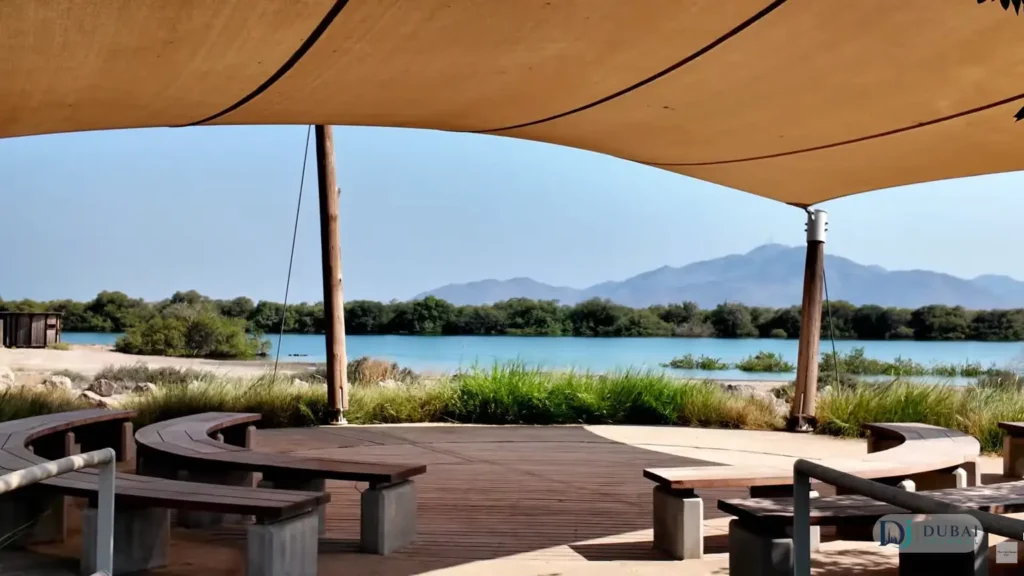
Entry stops at about 5:15 PM, which leaves 75 minutes before closing. Friday is the short day: doors open at 2:00 PM, so the entry window is only about three hours.
Ramadan and Eid use adjusted timetables, so holiday visits are best planned through the official visitor website or the visitor line on +971 9 202 5000.
Tickets & who enters free
Adult entry is AED 15 plus 5% VAT, which comes to AED 15.75. Children under 12, resident seniors and People of Determination enter free.
A family of two adults and any number of children under 12 pays AED 31.50 in total.
What’s inside the centre
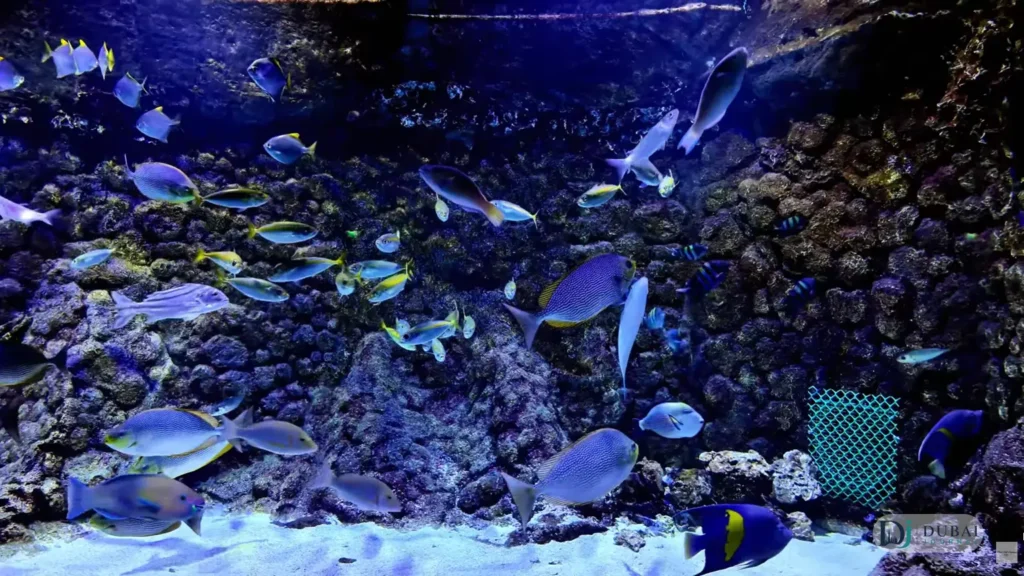
Visitors move through three exhibit zones in the main building:
Unique Mangrove Station: why mangrove trees matter and how they sustain the surrounding ecosystem.
Intertidal Zone: live crabs, mudskippers and other animals that live at the edge of the water.
Subtidal Zone: a miniature aquarium with local fish and other marine species.
Outside, the turtle pools hold juvenile sea turtles that are checked and then released back to the sea. The centre is the leading facility on the UAE’s east coast for rehabilitating young sea turtles.
There is also an aviary with a kingfisher hide, and a small playground between the outdoor areas for children who need a break from the quieter parts of the visit.
The building
Hopkins Architects designed the centre as seven interconnected capsules shaped after the skeleton of a sea urchin. They house the exhibition spaces, aquariums, offices, veterinary facilities and learning rooms. White sandblasted concrete ribs cover about 1,500 square metres of the structure and echo the light and shadow inside the mangroves.
Passive design keeps the building shielded from the desert heat, which cuts its energy needs.
The mangrove trail
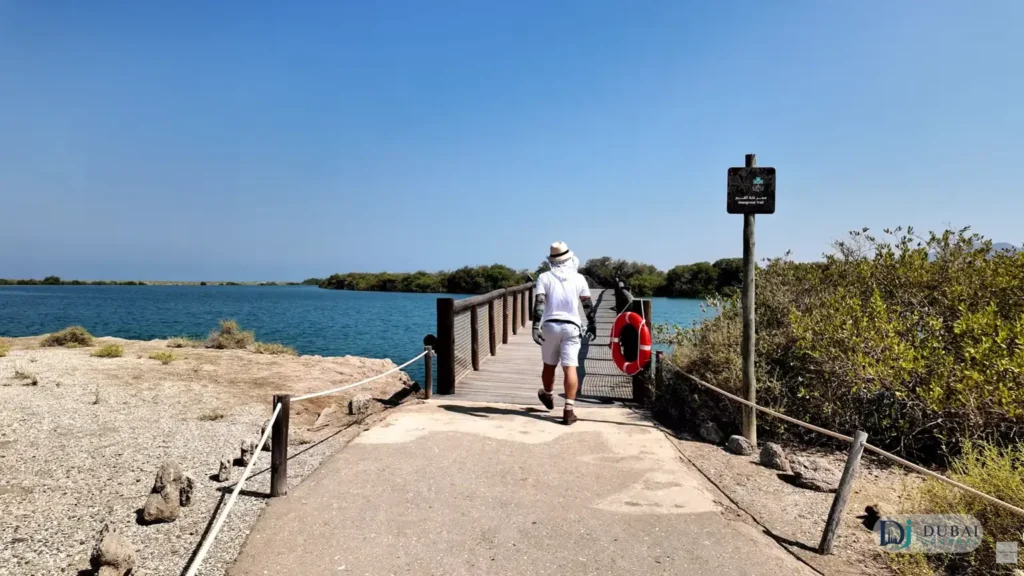
On foot, the trail that starts at the centre is the only public route into the forest. A raised wooden walkway carries you through the trees, with the creek and the mountains in view.
Look for holes in the tree trunks along the way, since the Arabian Collared Kingfisher nests in them. The trees reach up to 8 metres, and the oldest are more than 300 years old.
Wildlife you can see
The centre’s best-known resident is the Arabian Collared Kingfisher, and the rest of the list runs through crabs, turtles, fish and a long line of coastal birds.
- Arabian Collared Kingfisher: the subspecies Todiramphus chloris kalbaensis, whose last population lives in the Kalba mangroves.
- Green turtles in the rehabilitation pools, and sea turtles that appear in the tidal creeks.
- Crabs, mudskippers, sea cucumbers, starfish and sea urchins in the exhibit tanks.
- Gulls, terns, herons and waders on the mudflats.
The centre counts more than 100 species of fish and 90 types of crustaceans, plus about 150 species of coastal birds, both resident and migratory. Birdwatchers get the most out of spring and autumn migration, while the kingfishers stay all year.
Conservation & research work
The Environment and Protected Areas Authority (EPAA) of Sharjah commissioned the building as a refuge for mangrove wildlife and as an education and research facility. Sheikh Dr Sultan bin Muhammad Al Qasimi, Ruler of Sharjah, inaugurated it in 2021.
Four strands of work run alongside the visitor side:
- Planting new mangroves, which absorb greenhouse gases, filter water and store blue carbon.
- Rehabilitating juvenile sea turtles before release.
- Research on marine species and coastal birds inside the mangrove sanctuary.
- Protecting fisheries resources along the coast.
The Kalba forest is an important site for carbon sequestration, and its roots also shield the shoreline from flooding during storms.
Al Qurm Protected Area & kayaking
Al Qurm Protected Area covers more than 500 hectares of protected mangroves in Khor Kalba, far more than the centre’s trail reaches. The wider reserve offers guided kayak and paddleboard tours, and hawksbill and green turtles nest on the nearby beach.
Kalba Kingfisher Lodge has 20 tents linked by boardwalks that keep visitors away from the turtle nesting areas, which suits anyone who wants to stay overnight.
Getting there & parking
The centre sits in Kalba on the east coast of Sharjah, about 120 km from Sharjah city. The drive takes roughly 90 minutes from Sharjah city and 1.5 to 2 hours from Dubai, along the Sharjah-Kalba Road (E102).
Parking at the centre is free. Search for the centre by its full name in your maps app, or enter the coordinates 25.015072, 56.360483.
Planning your visit
Tuesday to Thursday gives the longest day, with a 9:00 AM opening and plenty of room for the exhibits, turtle pools and trail. If you can only come at the weekend, Saturday and Sunday open at 11:00 AM.
Arrive by 4:30 PM to get the full two to three hours. Walking in at the 5:15 PM cut-off leaves 75 minutes, enough for the trail but not for a slow pass through the exhibits.
November to March is the comfortable season for the open-air boardwalk. In summer, aim for the opening hour or the late afternoon, and carry your own water.
Pairing it with other Kalba stops
Al Hefaiyah Mountain Conservation Centre covers 12 square kilometres and holds around 30 mountain and desert species. It also closes on Mondays, so a Monday trip to Kalba loses both. The Kalba Bird of Prey Centre adds a falconry stop, and Khorfakkan adds a beach or a mountain hike.
FAQ
Is Khor Kalba Mangrove Centre open on Mondays?
No. The centre is closed every Monday and open the other six days of the week.
How long does a visit take?
Two to three hours covers the exhibits, the turtle pools and the boardwalk.
Is the centre suitable for young children?
Yes. Children under 12 enter free, the exhibits are interactive, and a playground sits between the outdoor areas.
Can you enter the mangroves without visiting the centre?
Not on foot. The walking route into the mangroves starts at the centre, and visitors stay within its trail.
Can you kayak in the Kalba mangroves?
Yes. Guided kayak and paddleboard tours run in the wider Al Qurm Protected Area, separately from the centre’s walking trail.
Is there parking at the centre?
Yes, and it is free.
Before you go
Pick Tuesday to Thursday for the longest day, or Saturday and Sunday from 11:00 AM.
Budget AED 15.75 per adult, with children under 12 free.
Reach the entrance by 4:30 PM, since entry stops around 5:15 PM.
Add Al Hefaiyah Mountain Conservation Centre as a second stop on any day except Monday.
