
Arabia’s Wildlife Centre is a fully indoor, air-conditioned zoo for animals native to the Arabian Peninsula, so a summer afternoon is no problem. Adults pay AED 21 at the gate, children under 12 enter free, and the centre is closed every Tuesday.
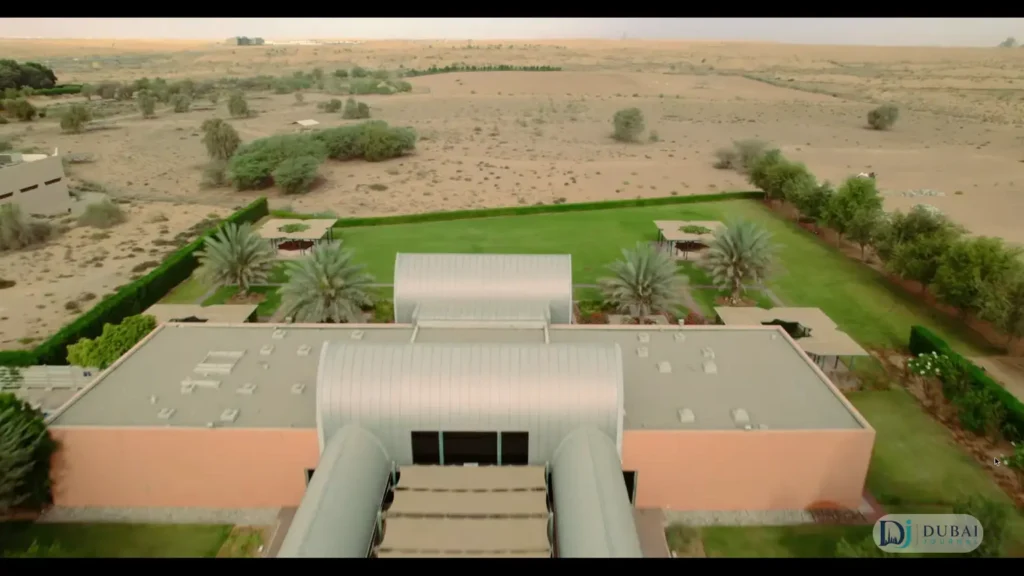
It opened in September 1999 and holds more than 100 species, from desert vipers to the Arabian leopard. The centre sits inside Sharjah Desert Park, about 30 km east of central Sharjah, and the same ticket covers the park’s other three venues.
Arabia’s Wildlife Centre key details
| Detail | Information |
|---|---|
| Location | Sharjah Desert Park, Al Dhaid Road (E88), Interchange 9 |
| Distance | About 30 km east of central Sharjah |
| Adult ticket | AED 21 (AED 20 plus 5% VAT) |
| Children under 12 | Free |
| Closed | Tuesday |
| Time needed | About 2 hours for the centre, 4 to 5 hours for the whole park |
| Setting | Fully indoor and air-conditioned |
| Phone | +971 6 531 1999 |
| Run by | Sharjah Environment and Protected Areas Authority (EPAA) |
Opening hours & tickets
Hours by day
| Day | Hours |
|---|---|
| Sunday, Monday, Wednesday, Thursday | 9:00 AM to 5:30 PM |
| Tuesday | Closed |
| Friday | 2:00 PM to 5:30 PM |
| Saturday | 11:00 AM to 5:30 PM |
The day you choose decides how much of the park you can fit in. Friday gives you 3.5 hours, which is enough for the centre and one more venue. Saturday gives 6.5 hours. Sunday, Monday, Wednesday and Thursday give 8.5 hours, which leaves room to linger over all four venues.
Tickets
Adults pay AED 21 per person, made up of AED 20 plus 5% VAT. Children under 12 are free. You buy the ticket at the main gate, and one ticket covers four venues:
- Arabia’s Wildlife Centre
- The Natural History & Botanical Museum
- The Islamic Botanical Garden
- The Children’s Farm
Carry some cash. The park cafe prefers it.
What you’ll see inside
The route runs from the reptile house to the large carnivores, and most animals are viewed through glass panels in air-conditioned corridors. Allow about 2 hours for the centre alone.
Reptile & insect house
The route starts with snakes and lizards from the Arabian desert: vipers, cobras, monitor lizards and chameleons, plus turtles. Spiders and scorpions fill the insect section, and a fish tank shows marine species.
Bird aviary & small cats
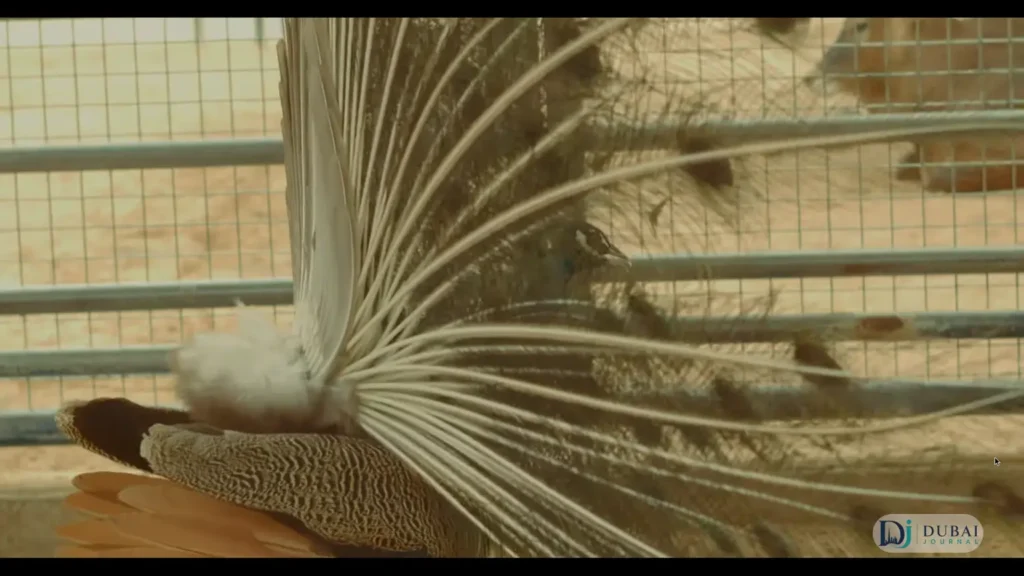
The aviary is landscaped as a wadi and desert, with flamingos, houbara bustards, partridges and weavers. The caracal, wildcat and sand cat enclosures sit beside it.
Nocturnal house
The lighting is reversed here, so night-active animals are awake during opening hours. Porcupines, foxes, mongooses, hedgehogs and several rodent species live in this section.
Large carnivores & primates
The last section passes five enclosures: baboons, cheetahs, Arabian wolves, striped hyenas and the Arabian leopard. The leopard is critically endangered and is the animal most visitors come to see.
Oryx, gazelles & open enclosures
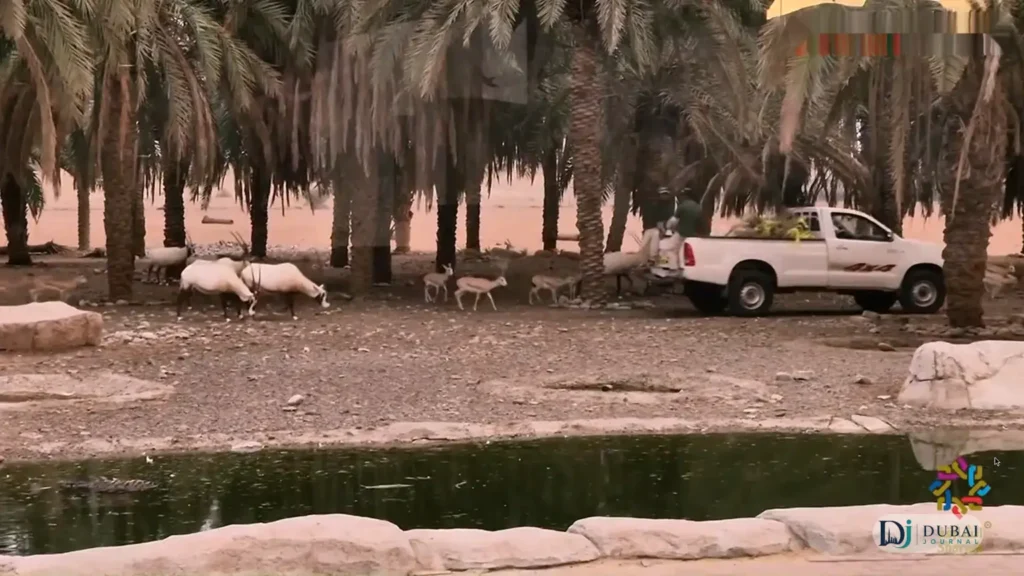
The Arabian oryx, the UAE’s national animal, lives in a large landscaped enclosure rather than behind glass. Gazelles and ostriches share that open setting.
Where the animals come from
The oryx and the leopards on show come from the nearby Sharjah wildlife centre, where they are bred. The Breeding Centre for Endangered Arabian Wildlife stands inside the same park, but it is a research and breeding facility that is closed to visitors. The leopard enclosure in the centre is the only place to see the species in the park.
The rest of Sharjah Desert Park
Your ticket also opens three other venues, and they differ in how much shade and air conditioning they offer:
- Natural History & Botanical Museum: air-conditioned, with exhibits on the flora, fauna and geology of the Arabian Peninsula.
- Islamic Botanical Garden: outdoors, so it suits cooler months best.
- Children’s Farm: indoor and outdoor areas, where children can pet and feed goats, camels and ducks, and ride ponies and camels.
From June to September, do the Wildlife Centre and the museum first and keep the garden and farm for the end of the day.
Getting there
Drive east from Sharjah on Al Dhaid Road (E88), pass Sharjah International Airport, and take Interchange 9, which leads to Sharjah Desert Park. The map pin is 25.2832, 55.6970.
A large car park sits within walking distance of the main entrance. If you are not driving, a taxi or ride-hailing car from Sharjah is the alternative.
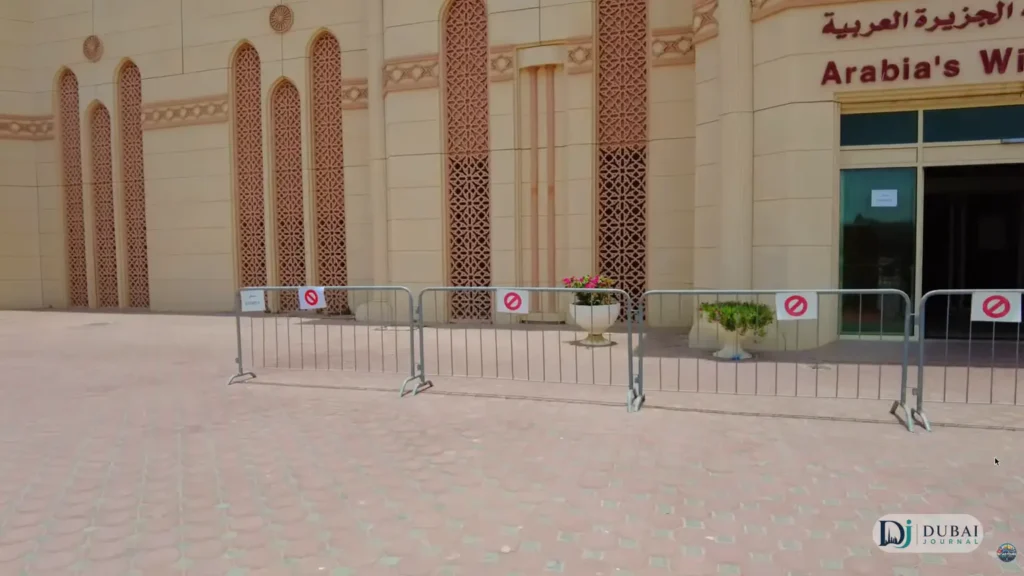
Facilities & accessibility
The indoor sections are wheelchair and stroller friendly. A cafe near the botanical garden serves snacks and drinks, and the grounds have picnic areas.
FAQ
Is Arabia’s Wildlife Centre indoors?
Yes. The centre is fully indoors and air-conditioned, and most animals are viewed through glass. Only the open oryx and gazelle enclosures and the park’s garden and farm areas are outdoors.
Is Arabia’s Wildlife Centre open on Tuesday?
No. The centre and the rest of Sharjah Desert Park are closed every Tuesday. Opening is later on two other days: 2:00 PM on Friday and 11:00 AM on Saturday.
How much is the ticket to Arabia’s Wildlife Centre?
Adults pay AED 21, which is AED 20 plus 5% VAT. The ticket also covers the Natural History & Botanical Museum, the Islamic Botanical Garden and the Children’s Farm.
Do children pay to enter?
Children under 12 enter free at all four venues in the park.
How long does a visit take?
Plan about 2 hours for the centre. Seeing all four venues takes 4 to 5 hours, which fits on every day except Friday, when the park is open for only 3.5 hours.
Is Arabia’s Wildlife Centre part of Sharjah Desert Park?
Yes. It is the main attraction inside Sharjah Desert Park, and one gate ticket covers it together with the park’s museum, garden and farm.
Plan your visit
- Choose Sunday, Monday, Wednesday or Thursday for an unhurried day across all four venues, and Friday afternoon if the centre alone is enough.
- Skip Tuesday, and on Saturday arrive from 11:00 AM.
- Take Interchange 9 off Al Dhaid Road (E88), about 30 km east of central Sharjah.
- Carry cash for the cafe, and in summer see the centre and the museum before the outdoor venues.
