
Sharjah Desert Park is a conservation and education complex built around native Arabian wildlife, desert geology, and local ecology. Locally known as Sharjah Zoo, it opened in 1995 in the Seih Al Masmout reserve off Al Dhaid Road, roughly 30 km east of Sharjah city, and is run by Sharjah’s Environment and Protected Areas Authority (EPAA).
Most of the complex is indoor and climate-controlled, which sets it apart from many outdoor Sharjah attractions and makes it a realistic option even in peak summer heat.
Quick overview of Sharjah Desert Park
| Attribute | Details |
|---|---|
| Venues on one ticket | 4 (Arabian Wildlife Centre, Natural History Museum, Botanical Museum, Children’s Farm) |
| Established | 1995 |
| Operator | Sharjah Environment and Protected Areas Authority (EPAA) |
| Location | Seih Al Masmout Reserve, Al Rafea, Sharjah |
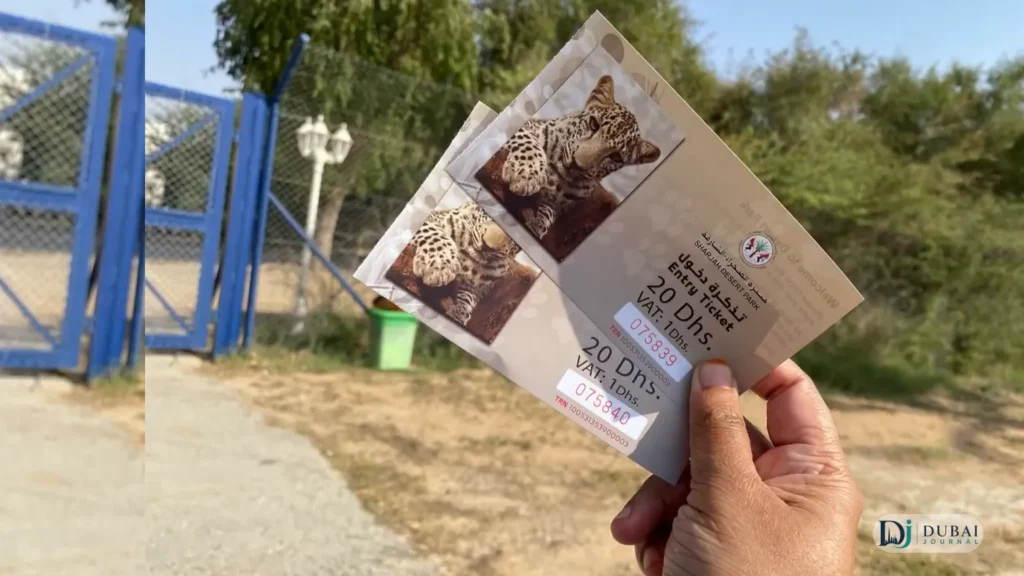
| Entry fee | AED 15 adults; AED 5 children 12+; free under 12 |
| Opening hours | Sun, Mon, Wed, Thu: 9:00 AM-5:30 PM; Fri: 2:00-5:30 PM; Tue: closed |
| Recommended visit time | 4-5 hours |
| Best months to visit | April, May, September, October |
| Distance from Dubai | About 57 km (45-50 minutes) |
| Distance from Sharjah Airport | About 20-28 km (17-20 minutes) |
| Parking | Free, on-site |
History and conservation mission
The park was commissioned in the early 1990s and opened in 1995 as a purpose-built conservation and education site for endangered desert flora and fauna, under the direction of Sharjah’s ruler, Sheikh Sultan bin Mohammed Al Qasimi. That conservation mission still shapes how it operates today. It’s run as a working reserve first, with public access to parts of it, rather than being built primarily as a tourist attraction.
The public-facing venues were added in stages after the park’s founding:
| Venue | Opened |
|---|---|
| Natural History Museum | November 1995, with the park’s founding |
| Children’s Farm | 1997 |
| Arabian Wildlife Centre | 1999 |
| Botanical Museum | 2008 |
Beyond the venues open to visitors, the park also runs a breeding and rescue program for endangered desert species at a separate facility not open to the public. It’s a core part of why the park exists, not an afterthought.
What’s inside: the four venues
Arabian Wildlife Centre
Established in 1999 as the first learning centre of its kind in a UAE protected area, and home to one of the largest collections of Arabian wildlife anywhere.
Key species on display:
- Arabian oryx, the UAE’s national animal
- Arabian leopard, critically endangered with only a small wild population left; this is one of the few places in the region to see one
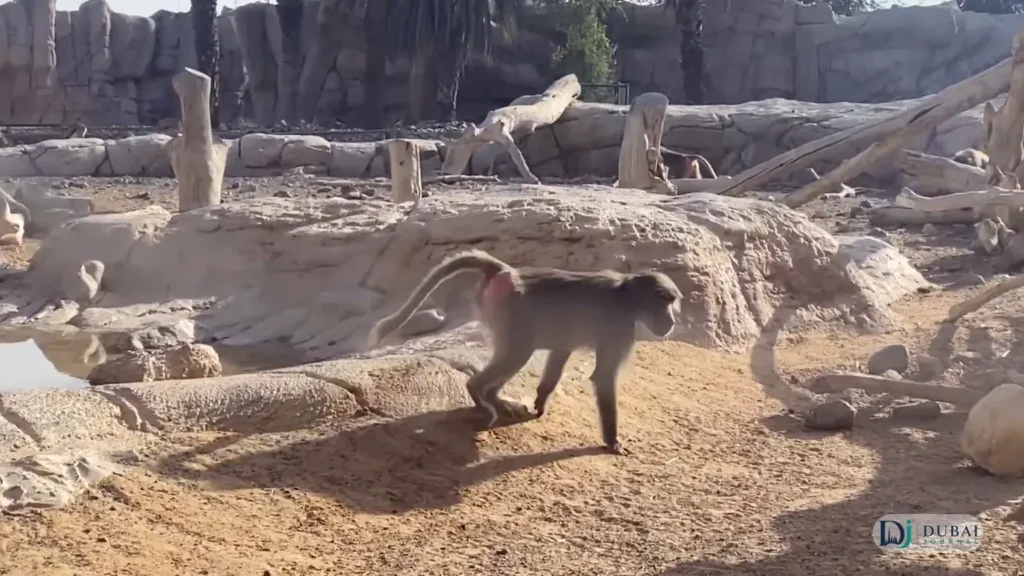
- Cheetahs, Arabian wolves, striped hyenas, and hamadryas baboons, across five large enclosures
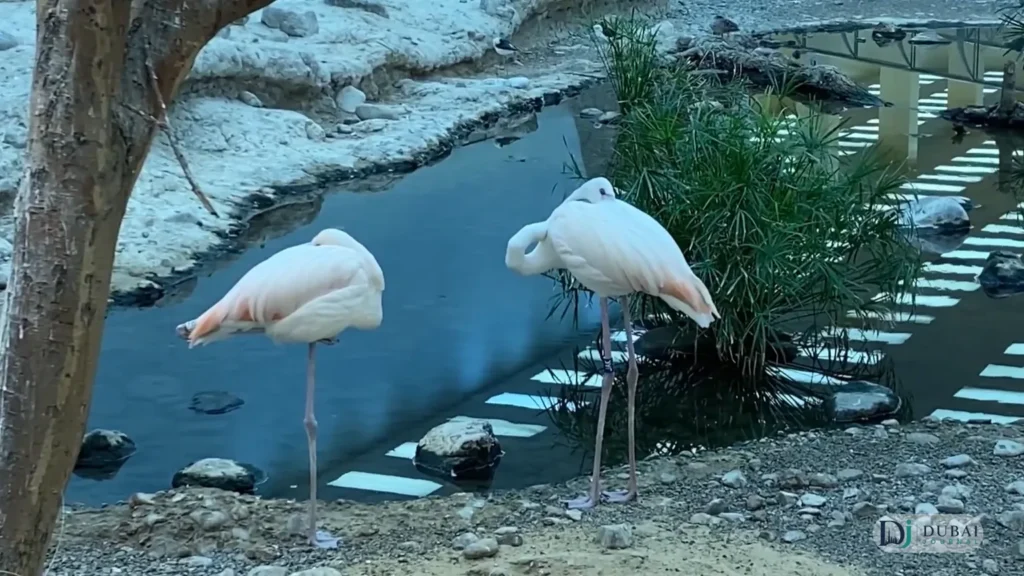
- Gazelles, ostrich, and Greater Flamingo in the outdoor viewing areas
- Sand cats, desert foxes, and reptiles in the indoor nocturnal section
- Weavers, partridges, and Houbara Bustards in the aviary
- Egyptian fruit bats in a dedicated cave section
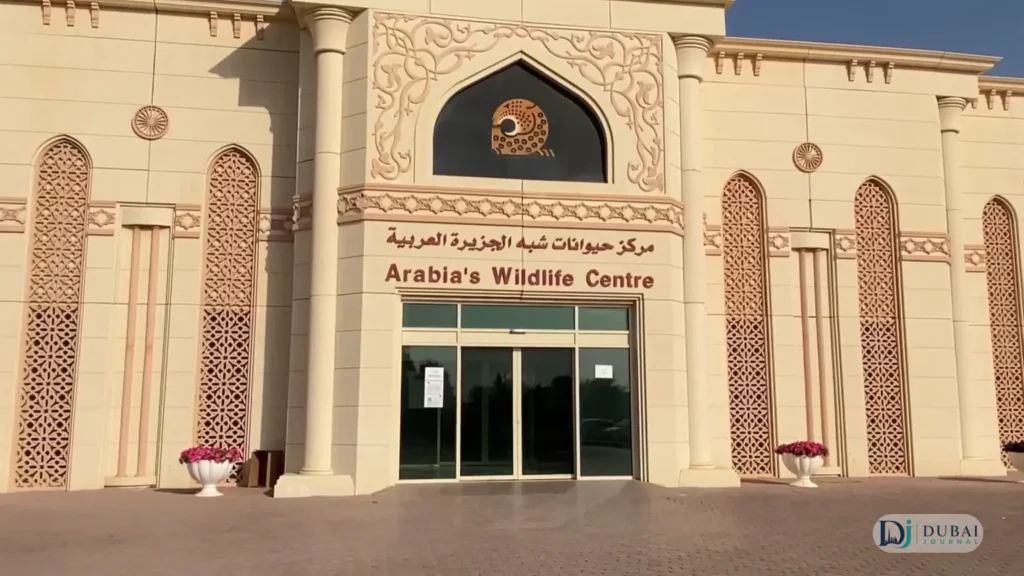
The building uses climate control and low-light galleries throughout, keeping naturally nocturnal and burrowing species visibly active during the day. A viewing area doubles as a cafeteria, with views over a large open habitat while you eat.
The Arabian leopard is the centre’s rarest resident. Once found across the mountains of the Arabian Peninsula, its wild population has collapsed to a small fraction of historic numbers, and captive-breeding programs like the one connected to this park are part of the wider regional effort to keep the subspecies from disappearing entirely.
Natural History Museum
Inaugurated in November 1995 alongside the park’s founding, five themed halls cover the region’s geology, biology, and marine life:
- Discover Sharjah: the habitats found across Sharjah, from coast to desert
- A Walk Through Time: the earth’s geological history through audiovisual exhibits
- Beautiful Arabian Flora: native plant life and desert botany
- The Living World: biology from microorganisms upward
- The Living Sea: replica displays of marine ecosystems
The geology hall is the standout: alongside the fossilized dinosaur thigh bone and a large slab of petrified copper ore, it holds a real meteorite from outer space, what’s described as the world’s oldest rock, and fossilized raindrops.
Botanical Museum
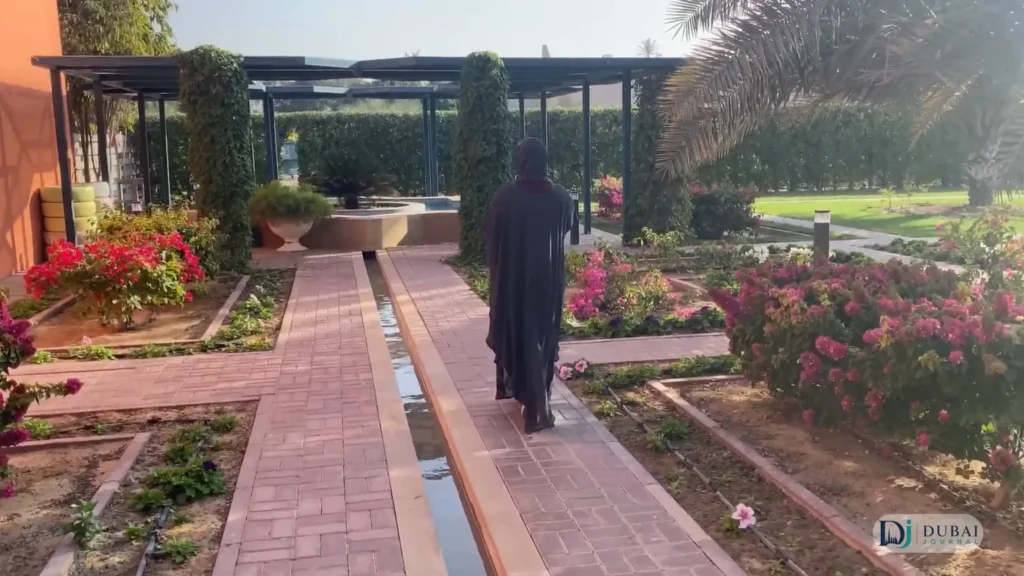
Opened in March 2008 as the first museum of its kind in the Middle East, this section pairs interactive plant displays with a dedicated Islamic garden featuring species mentioned in the Quran, alongside a broader mix of Arabian and tropical planting. Sharjah’s tourism board puts the garden at close to 100 native plant species.
Children’s Farm
Opened in May 1997, this is where younger visitors get supervised, hands-on time with domestic animals including goats, camels, horses, and donkeys, with hand-washing stations placed nearby.
Suggested order for your visit
With four venues on one ticket and 4-5 hours needed to cover them, a simple route beats wandering.
- Start at the Arabian Wildlife Centre right after opening, while the park is quietest. Its low-light galleries and climate control keep the naturally nocturnal species visible regardless of time of day, so there’s no real advantage to visiting it later.
- Move to the fully indoor Natural History Museum and Botanical Museum through the middle of the day, when outdoor temperatures are highest.
- Finish at the Children’s Farm, which involves the most outdoor walking and hands-on activity, and suits the cooler late afternoon.
Hours and entry fee
The park runs a fixed weekly schedule:
| Day | Hours |
|---|---|
| Sunday, Monday, Wednesday, Thursday | 9:00 AM – 5:30 PM |
| Friday | 2:00 PM – 5:30 PM |
| Tuesday | Closed |
Entry fees:
| Visitor | Fee |
|---|---|
| Adult | AED 15 |
| Child, 12 and over | AED 5 |
| Child, under 12 | Free |
Getting there
- From Dubai: roughly 45-50 minutes (about 57 km)
- From Sharjah Airport: about 17-20 minutes (around 20-28 km)
- Driving from Sharjah city: take the E88 (Al Dhaid Highway) heading east; the park’s exit is at Interchange 9
The park sits well outside Sharjah’s built-up areas. The nearest residential community is about a 15-minute drive away, and there’s no bus stop directly at the entrance. A car, taxi, or rideshare is the practical way in, and parking on site is free. If you need data for maps on the drive, an Etisalat quick recharge takes under a minute.
Best time to visit
Weekday mornings shortly after the 9 AM opening are consistently the quietest window. Seasonally, April, May, September, and October offer the best balance of comfortable outdoor walking and lighter crowds. Peak winter months bring more visitors, and peak summer is hottest for the outdoor stretches between venues, even with most exhibits climate-controlled.
Budget four to five hours to see all four venues without rushing.
Visitor tips
- Photography isn’t allowed inside most of the museum halls; other areas of the park are generally more relaxed, but check on-site signage.
- Photo ID may be requested at entry.
- Two small cafés plus a panorama-style restaurant overlooking part of the wildlife centre cover food options on site.
- The museum areas are wheelchair- and stroller-accessible throughout.
- Sun protection is worth bringing regardless of season. Even with most exhibits indoor, you’ll walk open ground between the four venues.
- The park operates as a working conservation reserve, not a conventional zoo. Some enclosures are designed around the animals’ needs first, which can mean more natural cover and fewer guaranteed close-up views than a typical zoo layout.
FAQ
Is Sharjah Desert Park worth visiting?
For families and anyone interested in Arabian wildlife or geology, yes. The combination of four venues on one ticket, a genuine meteorite and the world’s oldest rock on display, and rare species like the Arabian leopard is hard to match elsewhere in Sharjah for the price. It’s a lower-key experience than a big-ticket attraction, so go in expecting an educational half-day out rather than a theme park.
How much does it cost to enter?
AED 15 for adults, AED 5 for children 12 and over, free under 12.
How long should I plan for a visit?
Four to five hours to see all four venues without rushing.
Which day is the park closed?
Tuesdays.
Is Sharjah Desert Park a good summer activity?
Mostly, yes. Most exhibits are indoor and climate-controlled, though you’ll still cross some outdoor ground moving between venues.
What’s actually inside the Natural History Museum?
Five themed halls covering Sharjah’s habitats, earth history, native flora, general biology, and marine life. The geology hall holds a genuine meteorite, fossilized raindrops, and what’s described as the world’s oldest rock, alongside the fossilized dinosaur thigh bone.
What animals will I see at the Arabian Wildlife Centre?
The Arabian oryx and Arabian leopard are the headline species, alongside cheetahs, Arabian wolves, striped hyenas, hamadryas baboons, gazelles, ostrich, Greater Flamingo, aviary birds including Houbara Bustards, and a nocturnal/reptile and cave section with sand cats, desert foxes, and Egyptian fruit bats. Exact sightings depend on where individual animals are resting or moving on the day you visit.
Does the park do conservation work beyond the public exhibits?
Yes. A non-public breeding and rescue program for endangered desert species operates alongside the visitor areas, part of the park’s original 1995 conservation mandate.
Planning your visit
- Skip Tuesday. That’s the one day the park is fully closed.
- Go on a weekday morning if you want the quietest experience. Weekends and the winter season bring more visitors.
- Bring cash or a card for the gate. The AED 15 entry fee is small enough to forget about until you’re standing there. An ATM balance check before you leave Dubai avoids a wasted trip if you’re short on cash.
- No schedule needed once you’re inside. All four venues are self-paced.

1 pingback